North Atlantic Stakeholder Workshop
20/02/2025
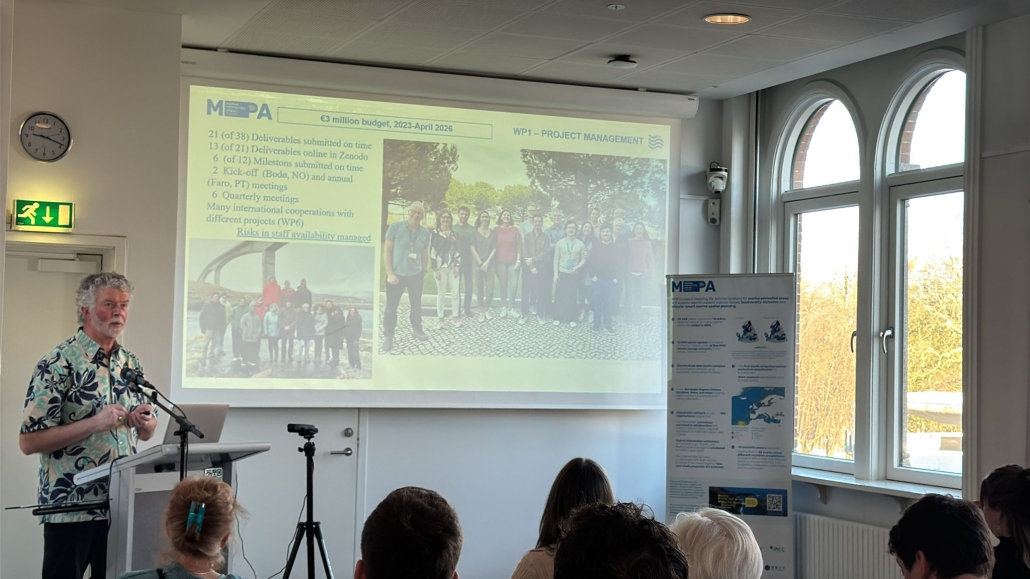
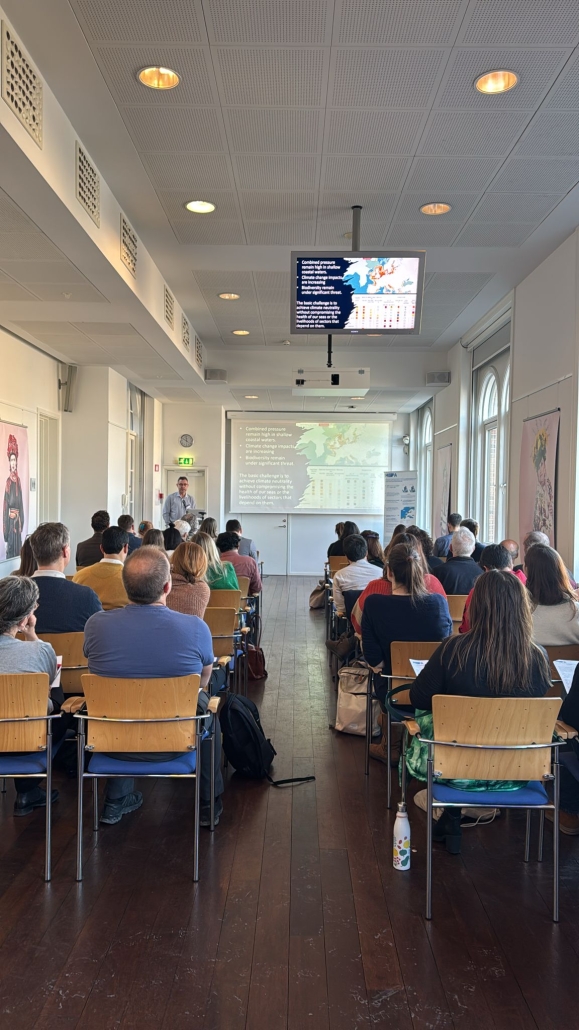
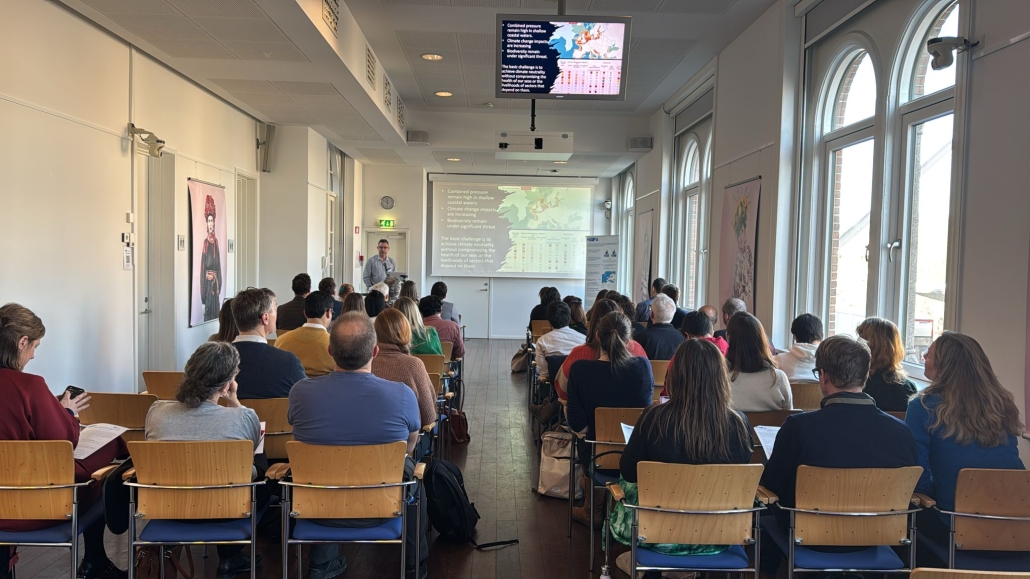
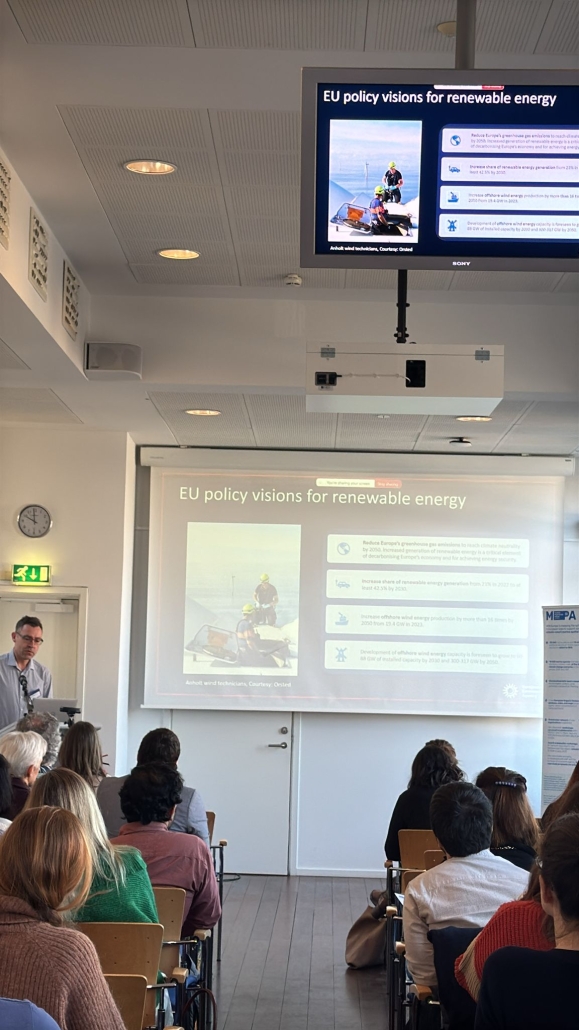
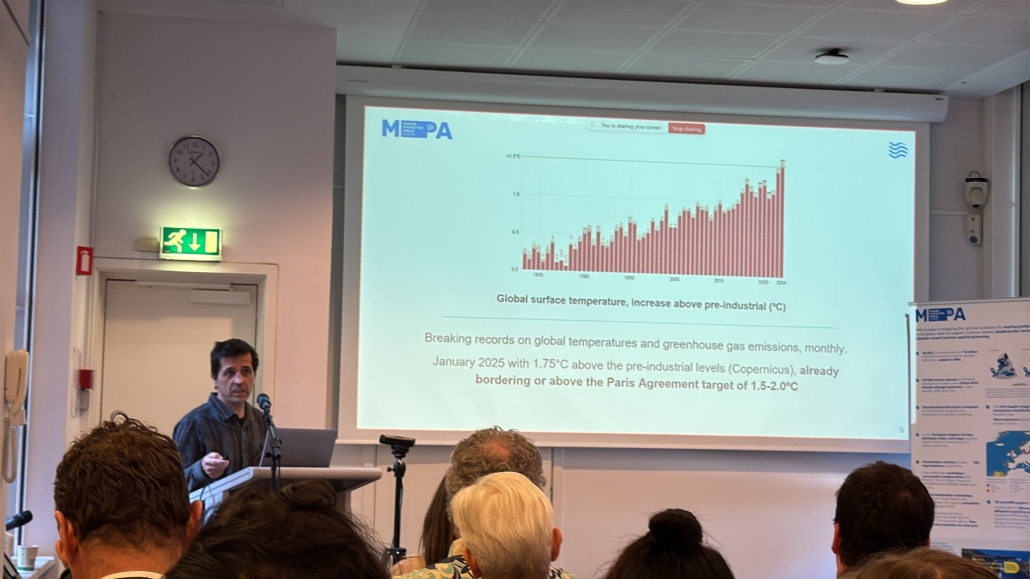
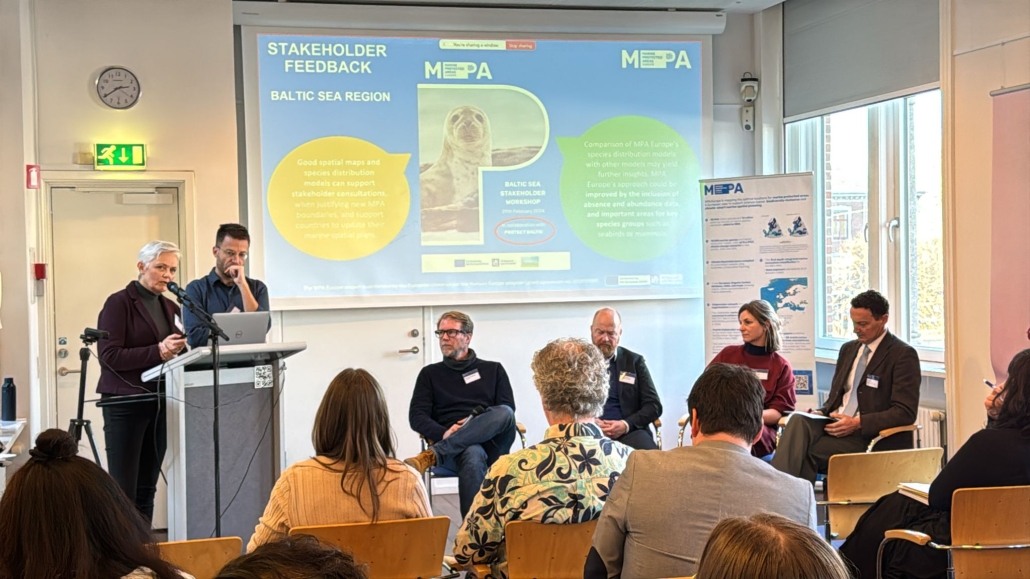
Early this week, just before their annual meeting, the MPA Europe team hosted the North Atlantic Stakeholder workshop in Europa-Huset, Copenhagen, Denmark. The diverse audience (47 in-person and 25 on-line participants) included European Community, European Agencies, Local and Regional Government, Industry, and NGO representatives. In the morning, European Commission’s Research Program Administrator, Victoria Beaz Hidalgo and MPA Europe Coordinator, Mark Costello, welcomed the participants and shared their views on the project’s contribution to marine protection and science-based marine spatial planning. The following presenters, Vedran Nikolic from DG Environment and Johnny Reker from the European Environment Agency provided updates and visions on how the EU is dealing with marine protection, restoration, and anthropogenic uses.
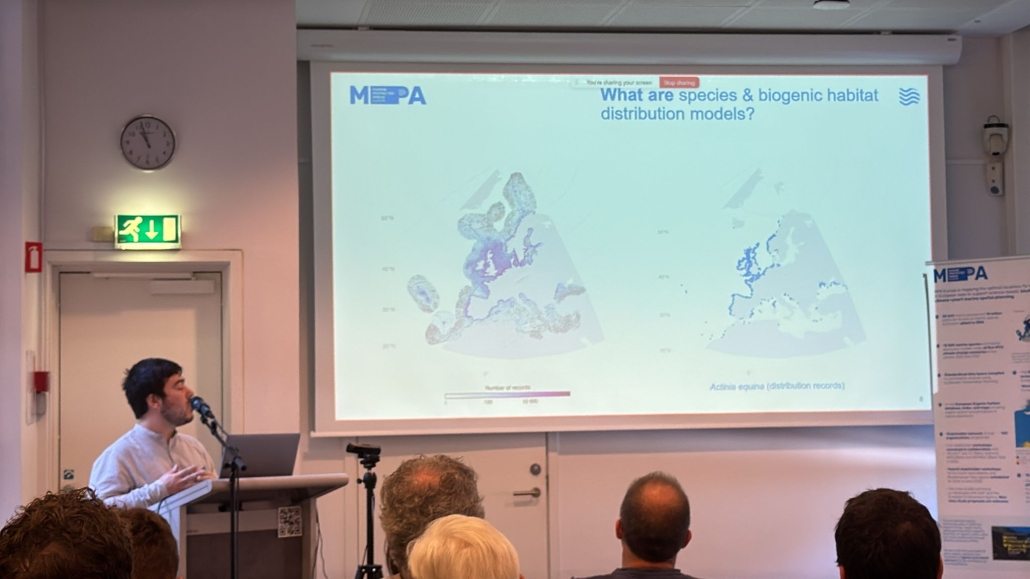
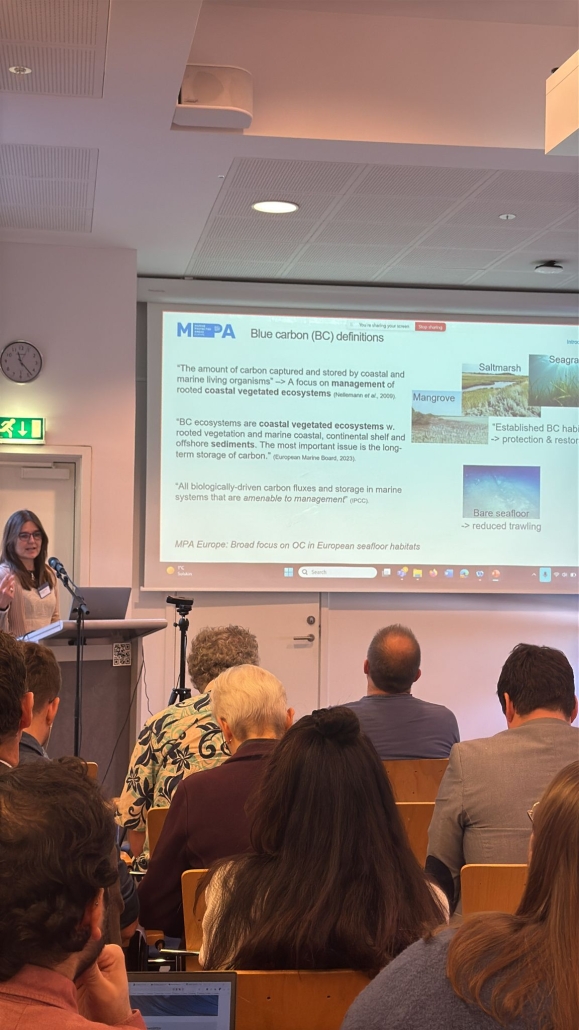
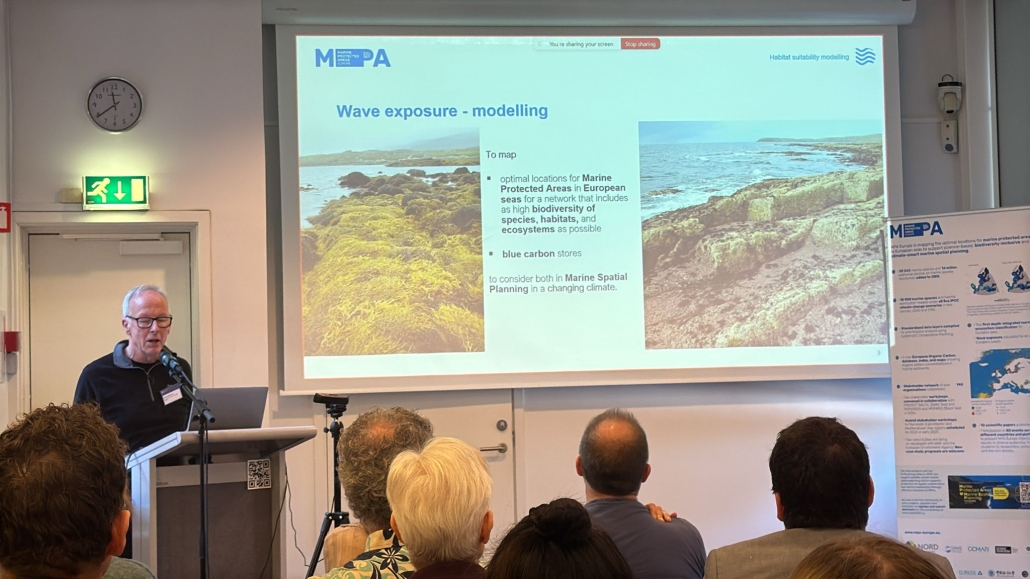
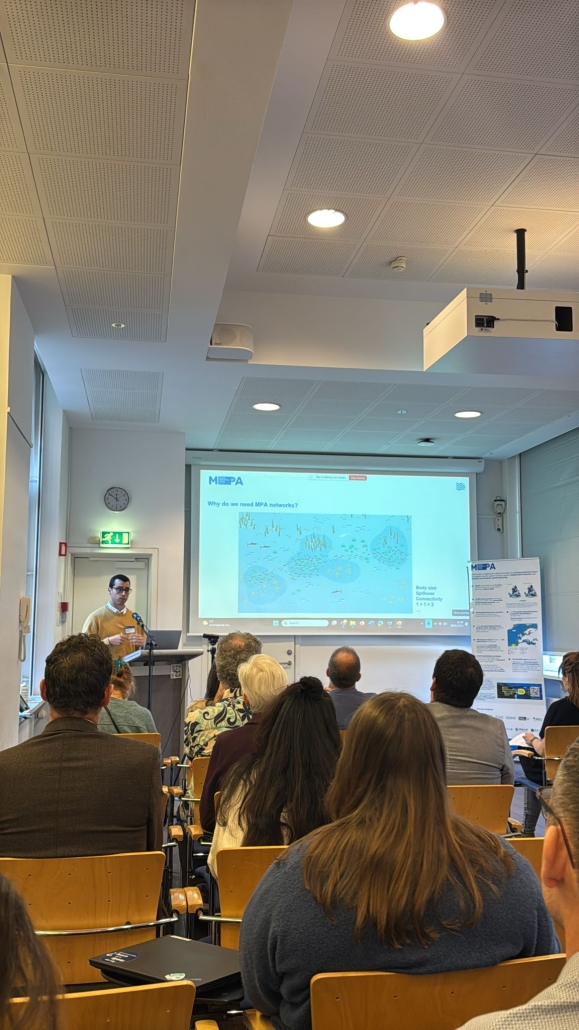
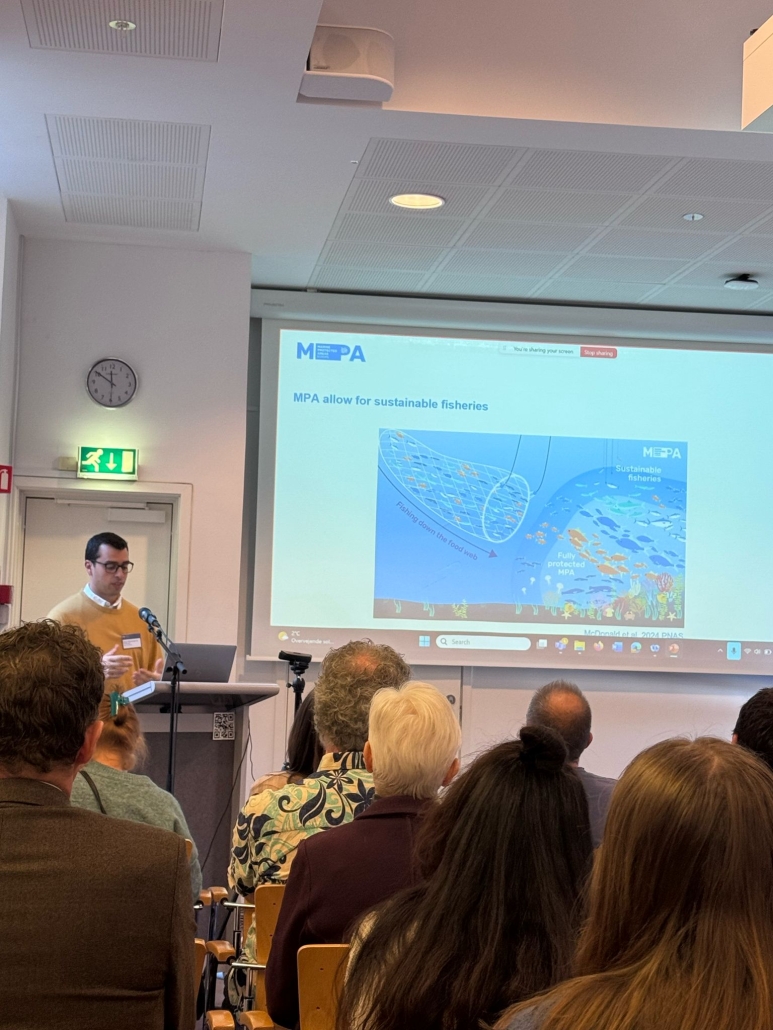
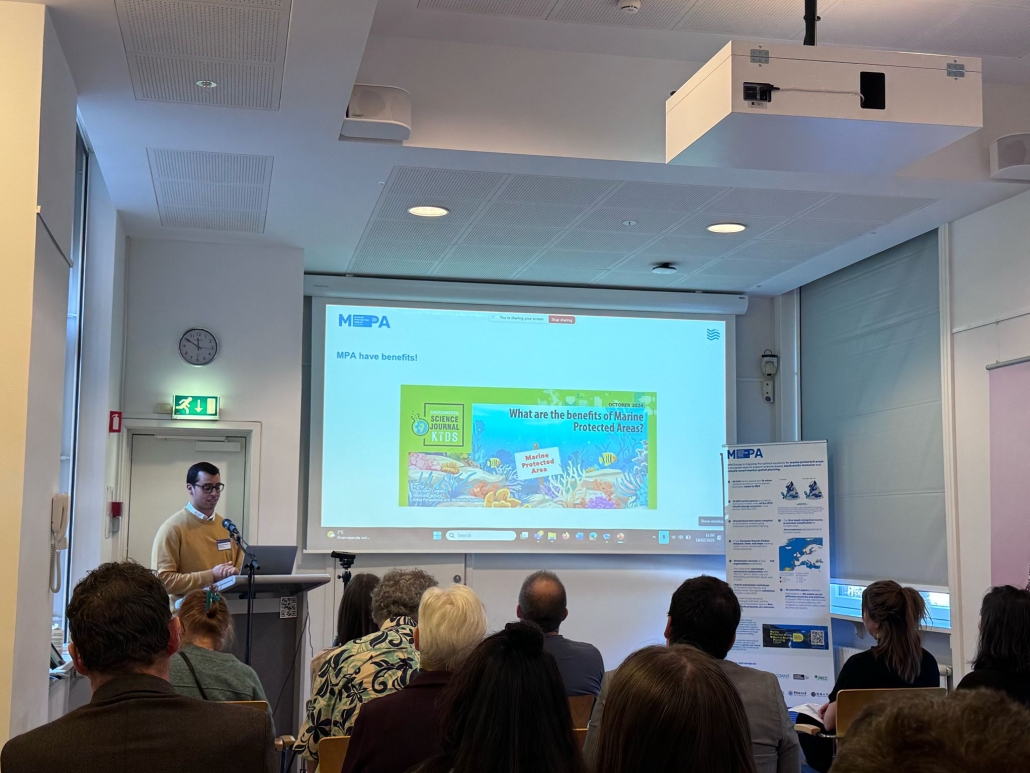
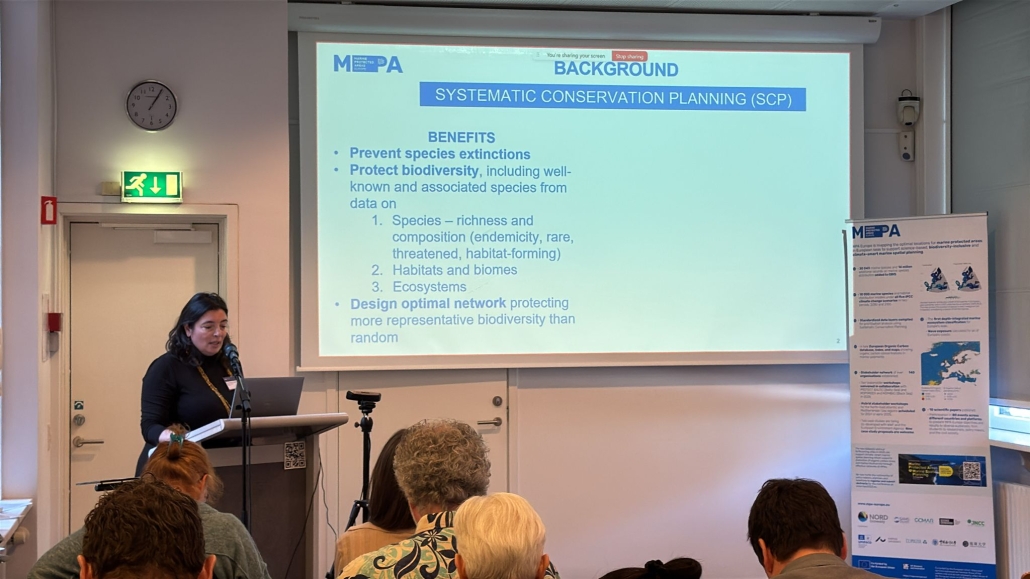
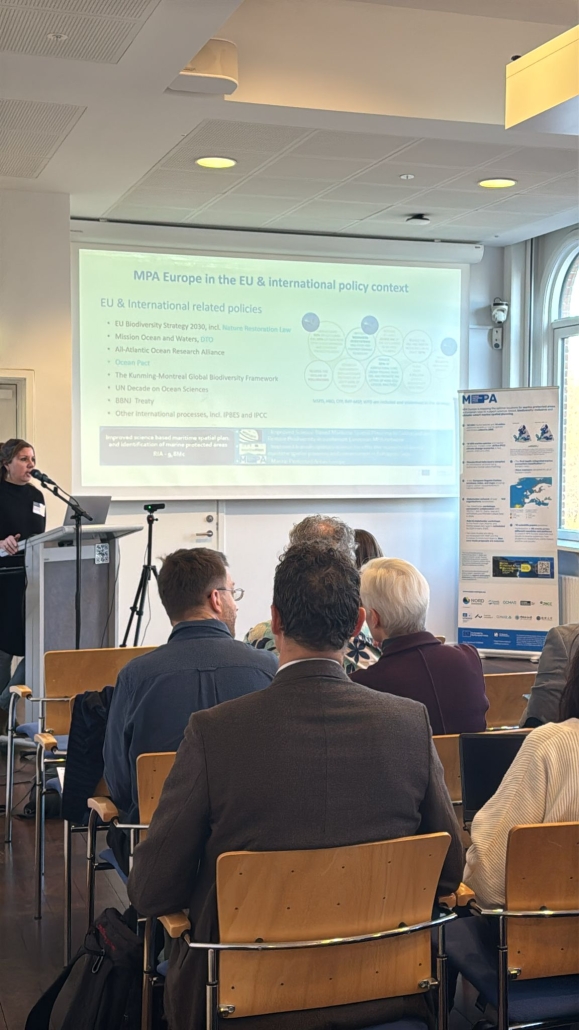
Throughout the morning, MPA Europe partners presented how the project is contributing data and tools to MPA planning at the European scale. Topics included ecosystem classification of surface and near seabed waters using environmental and biological data as well as new range maps for species distributions and habitats including their conservation status, all obtained from modelling of large datasets ( > 24 million records) under current conditions and future climate change scenarios. A new database of 61,155 observations of organic carbon concentrations in seabed sediments enabled production of a map of predicted seabed organic carbon in European seas. Wave exposure, as wave fetch (the length of water over which wind can blow without obstruction) was the main factor explaining the accumulation of organic carbon . Presentations proceeded with explaining how prioritisation analysis will allow defining meaningful regions for inclusion in MPA networks including all the data obtained and compiled by the project, and how important it is to consider connectivity and barriers to dispersal in such prioritisation analysis. The ability of species to disperse given their biology and life cycle features, under different climate change scenarios and oceanographic conditions, and then to colonise new habitats was a hot topic of discussion just before the “40 min of networking” break.
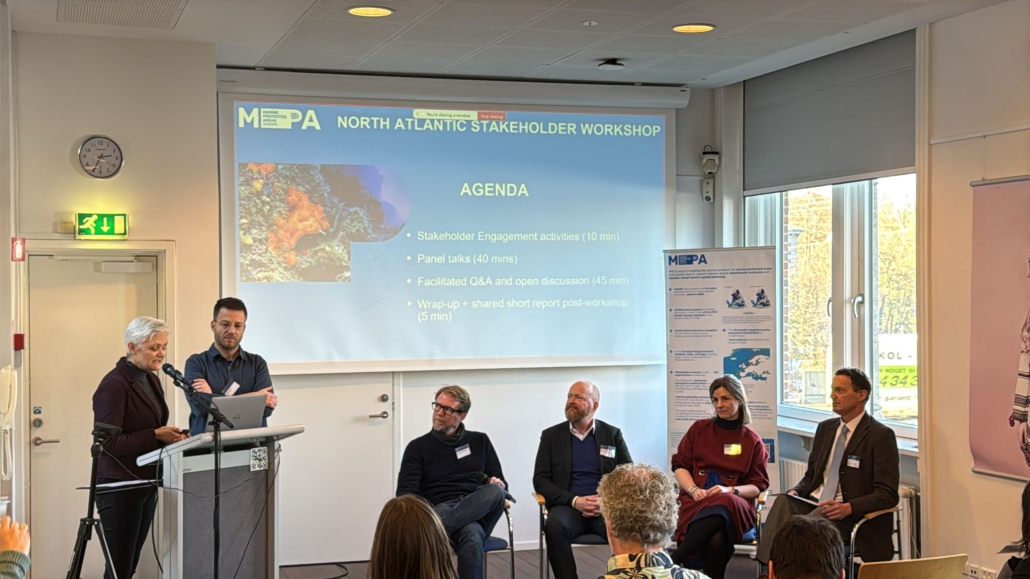
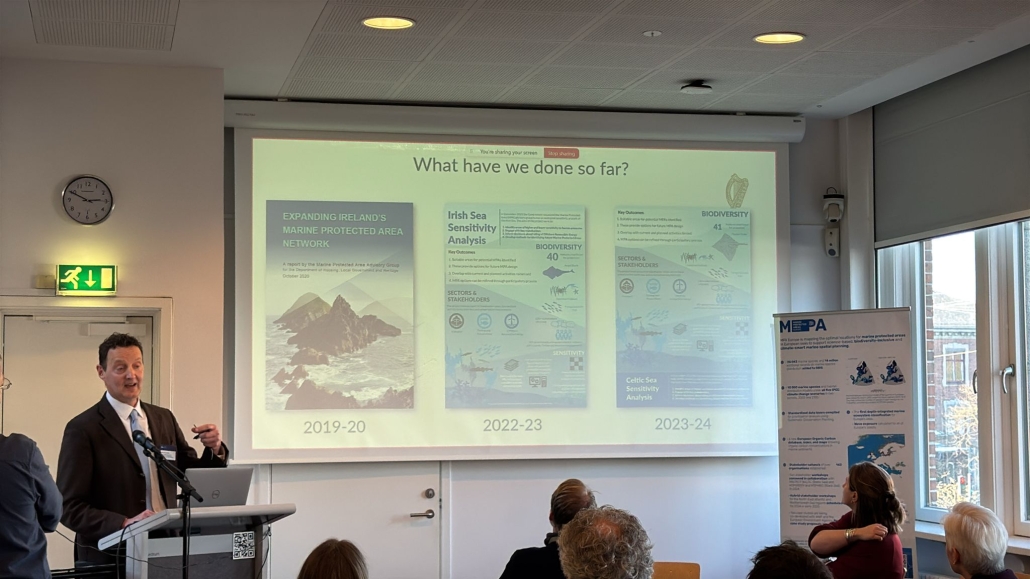
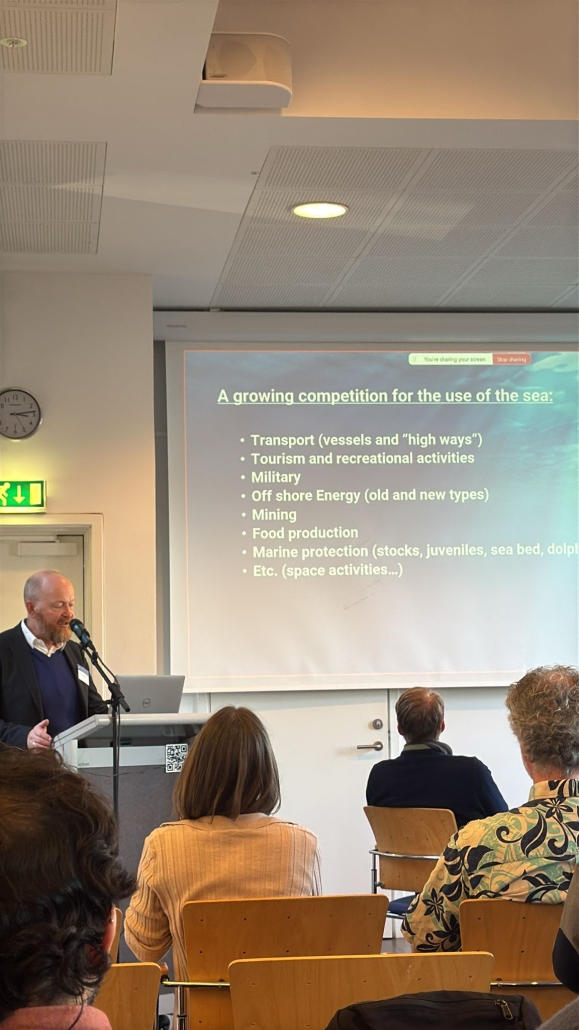
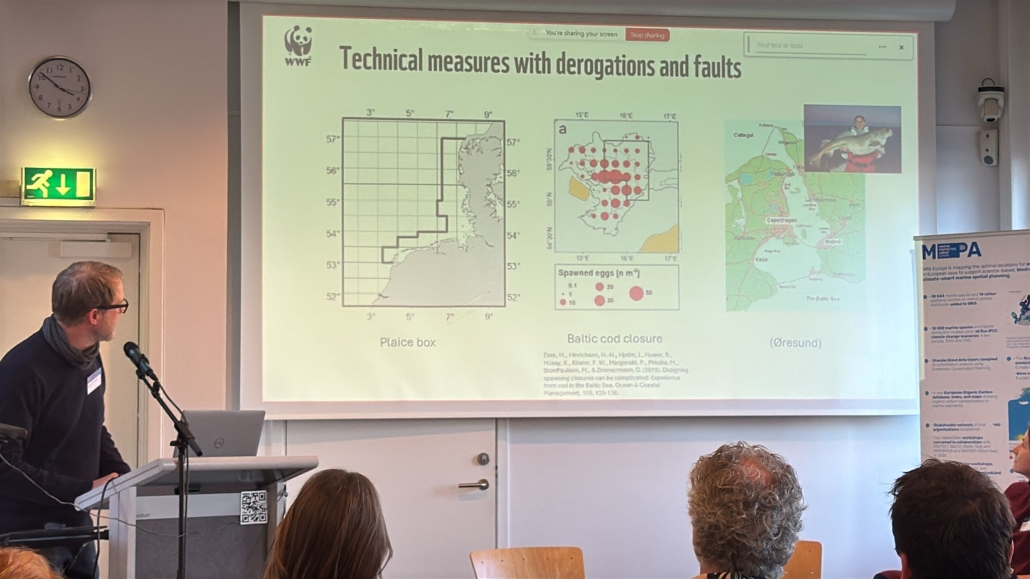
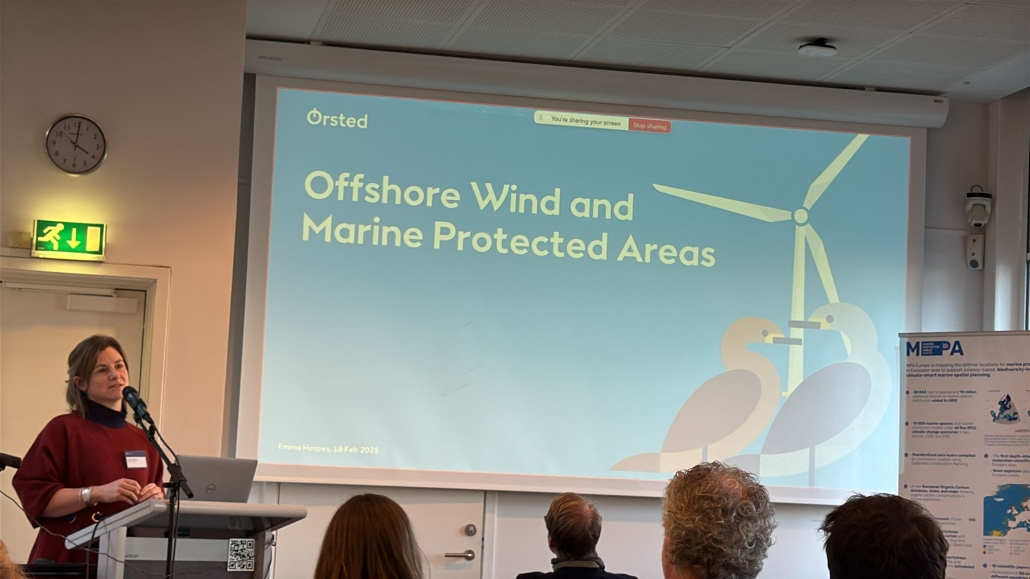
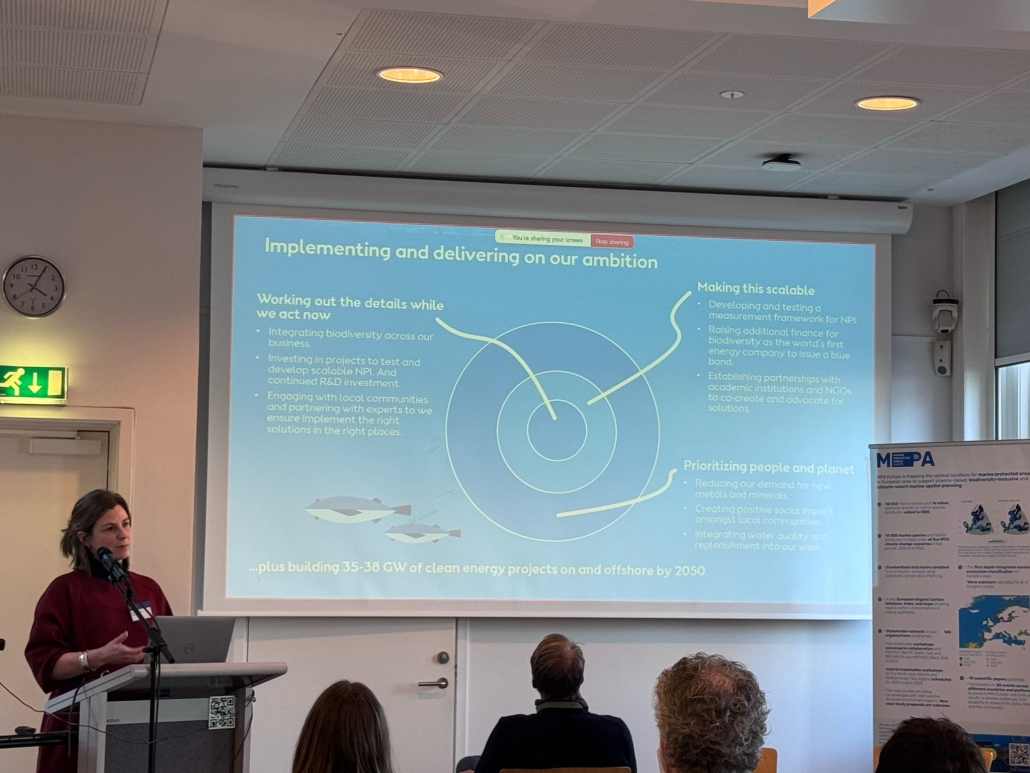
In the afternoon, Climazul team members Belinda Bramley and Thanos Smanis chaired a stakeholder engagement session consisting of four short panel talks to stimulate the discussion of use cases of MPA Europe results. Oliver Ó Cadhla shared where Ireland is in terms of marine protection, what has been done so far and how, and how stakeholders have been and will be involved to be able to reach the 30×30 target without compromising offshore wind energy production and fisheries. Kenn Skau Fischer, chair of the North Sea Advisory Council, highlighted the growing competition on the use of the sea (from food production to increased transportation, tourism, and blue economy industries) and how this is squeezing the area available for fisheries, and compromising the sustainable development of the sector from the fishers’ perspective. Thomas Kirk Sørensen, from WWF Denmark, provided some examples on the illusion of protection in Denmark, like “the plaice box” established in the 1980s which failed to protect juvenile plaice, and highlighted the fact that bottom trawling is allowed in several Natura 2000 sites and that new MPAs are being designated after the definition of areas for renewable energy. Emma Hospes, representing the wind farm developer Ørsted, presented the company’s ambition to deliver net-positive biodiversity impact in all their renewable energy projects from 2030 and how they will implement it. Strategies include avoiding pristine habitats and key biodiversity areas and supporting co-location with other activities and effective marine spatial planning. Many interesting questions and discussions came out during this panel session, particularly on the actual benefits that MPA have brought (or not) to conservation, biodiversity, and fisheries in Danish waters.