
New study maps organic carbon patterns across European seas
19/08/2026
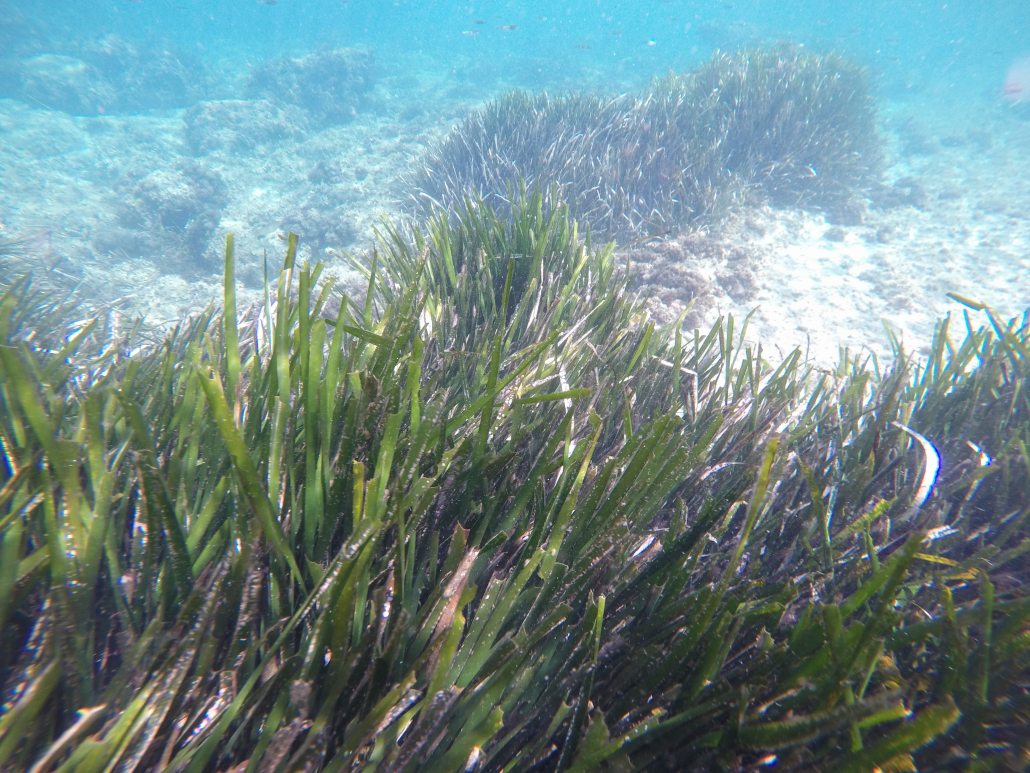
A new study developed through the EU-project MPA Europe provides a large-scale assessment of organic carbon stores in marine sediments across European regional seas and the environmental conditions that help explain these patterns.
Published in Global Biogeochemical Cycles, the paper, “Drivers and Patterns of Sediment Organic Carbon in European Regional Seas”, brings together sediment organic carbon data from MPA Europe’s sediment data base EURO-CARBON with information on seabed habitats, sediments and environmental conditions. The researchers used machine-learning methods to identify the variables shaping the level of sediment organic carbon across European seas.
Marine sediments can store substantial quantities of organic carbon, making them an important component of marine blue carbon. Understanding where carbon-rich sediments occur can therefore help inform decisions about marine conservation and regulation of activities that disturb the seabed.
The study found that wave exposure, light availability, seafloor geomorphology and maximum bottom-water temperature were the most important environmental predictors of sediment organic carbon at the European scale.
The highest organic carbon contents were associated with vegetated habitats, including Posidonia oceanica and other seagrass meadows, as well as muddy and mixed sediments, but each habitat showed large variability. Carbon-rich areas were generally concentrated in relatively sheltered inshore environments. Especially carbon rich areas occurred in parts of the Baltic Sea, North Sea, Adriatic Sea, Barents Sea and Black Sea.
Importantly, the study emphasised that the model is designed to identify broad regional patterns rather than predicting organic carbon at individual sites. Local conditions cause considerable variation in carbon levels, which were not resolved by the model.
The research is an important output of MPA Europe’s work on blue carbon. The project has developed spatial information that can be combined with biodiversity, habitat and environmental data to identify priority areas for Marine Protected Areas across European seas.
By improving knowledge of where carbon-rich sediments occur and what controls their distribution, the study provides a stronger evidence base for considering marine carbon stores alongside biodiversity in marine and martime spatial planning.
The paper is available open access: https://doi.org/10.1029/2026GB009100


