
MPA Europe presented at the Convention on Biological Diversity Technical Workshop on Ecologically and Biologically Significant Areas
6/12/2023


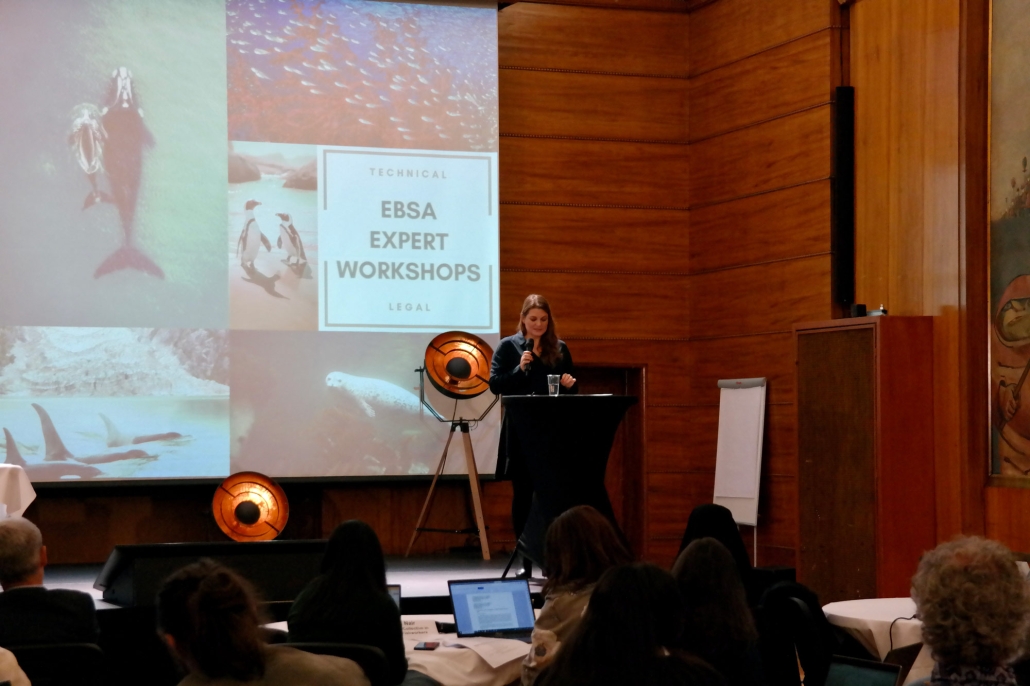
About two decades ago, the Convention on Biological Diversity (CBD) began to facilitate a process of identifying marine areas of special importance for biodiversity, called Ecologically or Biologically Significant Marine Areas (EBSA). Through a series of regional workshops, experts nominated by governments and organizations proposed areas of special importance, often based on megafauna such as seabirds and mammals, which are then subsequently considered by the CBD Conference of the Parties (COP).
At the November 2023 EBSA workshop in Oslo, Norway, experts discussed future new modalities for the EBSA process and means to modify existing EBSA descriptions and to describe new EBSA through ways other than regional workshops. It was repeatedly emphasised that EBSA are not proposed as Marine Protected Areas (MPA) and no management measures are implied in EBSA. Rather, EBSA are for information purposes only and meant to be used to inform planning and management by governments and competent authorities.
The criteria developed to characterise EBSA have also been applied by some countries to identify areas within their national jurisdiction. Thus, while about 300 EBSA are reported in the repository, hundreds more places have been designated as EBSA at a national level. So far, the EBSA process has not included any systematic conservation planning methods, leaving it open to criticism of “confirmatory bias”, as can arise from the expertise of the people present at a regional workshop.
Mark Costello’s nomination to attend the November 2023 EBSA workshop in Oslo by the Group on Earth Observations Biodiversity Observation Network (GEO BON) was accepted by the CBD. There, he summarised how six global marine systematic prioritisation papers published since 2012 aim to include the maximum amount of biodiversity within an area. Because this process is data-driven, it avoids confirmation bias. The papers varied in data used and methodology, but some areas were prioritised in all the studies. However, these consensus areas have, to date, not been included in EBSA.
He also described how the MPA Europe project is using systematic conservation planning for all European seas and how such methods could be applied for any region and globally using existing data, with variables weighted depending on policy priorities (e.g., increased weighting for threatened species).
The Report of the Legal Expert Workshop to Review Modalities for Modifying the Descriptions of Ecologically or Biologically Significant Marine Areas and Describing New Areas is also now available, both on the webpage for SBSTTA 26 and on the workshop webpage.


